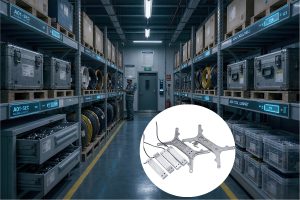
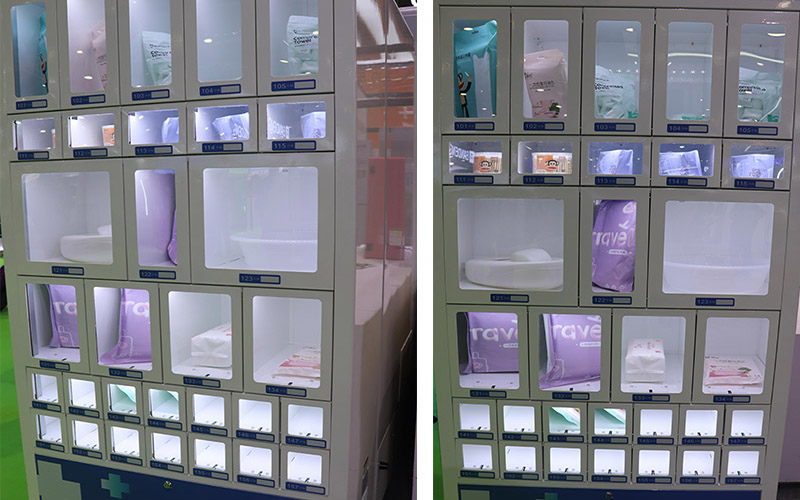
Modern hospitals and clinics must maintain continuous availability of critical medical items and hygiene products while minimizing errors, waste, and administrative workload. Smart healthcare cabinets equipped with precision load cells provide a solution, enabling automated inventory tracking, real-time monitoring, and replenishment for a wide range of supplies.
1. Product Overview: Precision Load Cells for Smart Cabinets
The core of these cabinets is a high-precision load cell sensor, capable of detecting even minor changes in weight to accurately track inventory. These sensors can be integrated into drawers, shelves, or hanging bins.
Key Features:
- High Accuracy: Detects weight changes as small as 1 gram, suitable for medications, implants, syringes, gloves, masks, disinfectants, and cleaning supplies.
- Flexible Form Factor: Shelf-mounted, drawer-embedded, or hanging designs for diverse storage layouts.
- Reliable and Stable: Minimal drift ensures long-term consistency.
- Multiple Output Options: Analog, digital, or networked outputs (e.g., RS485) for integration with inventory or IoT systems.
- Scalable: Monitors from a single cabinet up to multiple facilities simultaneously.
Additional Capabilities:
- Real-time dashboards for monitoring consumption and thresholds.
- Audit-ready logs for compliance with hospital regulations.
- Alerts for low stock, ensuring both critical medical items and everyday hygiene supplies are always available.
2. Broad Applications
Medical Supplies:
- Surgical instruments, implantable devices, medication vials, syringes, and IV kits.
- Ensures high-value or high-risk items are always monitored.
Hygiene & Sanitation Supplies:
- Disposable gloves, face masks, gowns, disinfectants, and cleaning wipes.
- Continuous monitoring avoids shortages in day-to-day operational essentials.
Operational Benefits:
- Automated replenishment and alerts reduce manual counting.
- Supports both PAR-level and vendor-managed inventory (VMI) workflows.
- Real-time tracking enables predictive inventory management and usage analytics.

3. Installation and Integration
Step 1: Layout Planning:
- Identify which cabinets, drawers, or bins require weight-based monitoring.
- Consider type, size, and average weight of items, including hygiene products.
Step 2: Load Cell Installation:
- Shelf Mount: Flat items like gloves, masks, or disinfectant bottles.
- Drawer Integration: Individual compartments for medications or surgical tools.
- Hanging Style: Bins for trays, vials, or multi-item kits.
Step 3: Connectivity:
- Load cell sensors connected to a local controller or centralized hub.
- Integration via analog, digital, or networked outputs for real-time monitoring.
Step 4: Calibration:
- Set tare weight (empty bin) and maximum capacity.
- Verify that weight changes correspond accurately to item counts.
Step 5: Software Integration:
- Link load cells to inventory management software or ERP.
- Set alerts, automated ordering rules, and dashboard reporting.
Best Practices:
- Separate bins to prevent interference between adjacent weights.
- Avoid mixing heavy and light items in the same compartment.
- Periodically recalibrate to maintain long-term accuracy.

5. Customer Success Story
Midwestern Regional Hospital – USA
Challenge:
- Frequent shortages of surgical kits, medications, and hygiene supplies led to delays in operations and increased administrative workload.
Solution:
- Installed load-cell-equipped cabinets for medical and hygiene items.
- Each compartment monitored in real-time, integrated with inventory management software for automated alerts and replenishment.
Results:
- 50% reduction in emergency restocking requests
- Zero stockouts for critical medical supplies and hygiene items
- 20+ hours saved weekly on manual inventory counting
- Improved regulatory compliance and audit readiness
Impact:
- Greater operational efficiency across departments
- Staff focused more on patient care rather than supply management
- Real-time data improved planning for high-usage items

6. Conclusion
Integrating precision load cells into smart healthcare cabinets provides hospitals with a comprehensive solution for managing both medical and hygiene supplies. By enabling real-time monitoring, automated replenishment, and detailed analytics, hospitals can ensure operational efficiency, reduce stockouts, save staff time, and ultimately improve patient care and safety. Contact us if you need any technical support.
info@amowellsensor.com