
Discover how precision load cells enable efficient, secure, and data-driven operations in Reverse Vending Machines (RVMs). Learn how these compact load cell sensors enhance fraud prevention, deposit validation, and recycling bin monitoring for smart sustainability systems.
♻️ Introduction: Smarter Recycling Starts with Smarter Load Cell Sensors
Reverse Vending Machines (RVMs) are becoming essential to global recycling efforts. By allowing users to return used bottles and cans in exchange for deposits or rewards, they simplify and incentivize recycling in public and commercial spaces.
At the core of every reliable RVM is a load cell—a highly sensitive sensor that measures weight. Load cells ensure that each item deposited is valid, empty, and compliant with recycling criteria. Without them, these smart machines couldn’t operate with the accuracy or security modern systems demand.

⚙️ The Role of Load Cells in Reverse Vending Machines
Load cells provide several critical functions inside an RVM:
✅ 1. Real-Time Deposit Validation
When a user inserts a container, the load cell measures its weight instantly. This helps determine:
- Is the container empty or filled?
- Does it match the expected weight range for PET, aluminum, or glass?
- Should it be accepted or rejected for refund?
This rapid validation improves user experience while preventing invalid or inappropriate deposits.
✅ 2. Built-In Anti-Fraud Protection
RVMs are sometimes targeted by users trying to cheat the system with:
- Filled bottles
- Incorrect or foreign objects
- Repeated items
By comparing each item’s weight to pre-calibrated reference data, load cells help identify and reject fraudulent inputs, protecting the deposit return system.
✅ 3. Bin-Level Monitoring
In addition to weighing each container, load cells are also used beneath the internal collection bin. This allows the system to:
- Monitor how full the bin is in real time
- Send alerts before overflow occurs
- Optimize collection routes and reduce downtime
This weight-based approach is far more accurate than simple timers or volume estimates.
✅ 4. Seamless Integration with Smart Systems
Modern load cells often feature digital outputs like RS485 or RS232, making them easy to connect with:
- Embedded controllers
- Cloud-based platforms
- IoT monitoring dashboards
This opens the door for remote diagnostics, sustainability analytics, and real-time reporting of recycling data.

🔍 What Makes a Load Cell Ideal for RVMs?
For use in compact, high-traffic RVMs, load cells must meet several key requirements:
| Feature | Why It Matters |
|---|---|
| Suitable Size | Fits into limited spaces within RVM hardware |
| High Accuracy | Detects lightweight PET bottles (as little as 15g) |
| Temperature Compensation | Ensures stable readings in outdoor or indoor settings |
| Digital Output (RS485/Modbus) | Enables integration with smart control and cloud platforms |
| Shock Resistance | Handles heavy use in public environments without damage |
| Good creep | Minimizes drift over thousands of cycles |
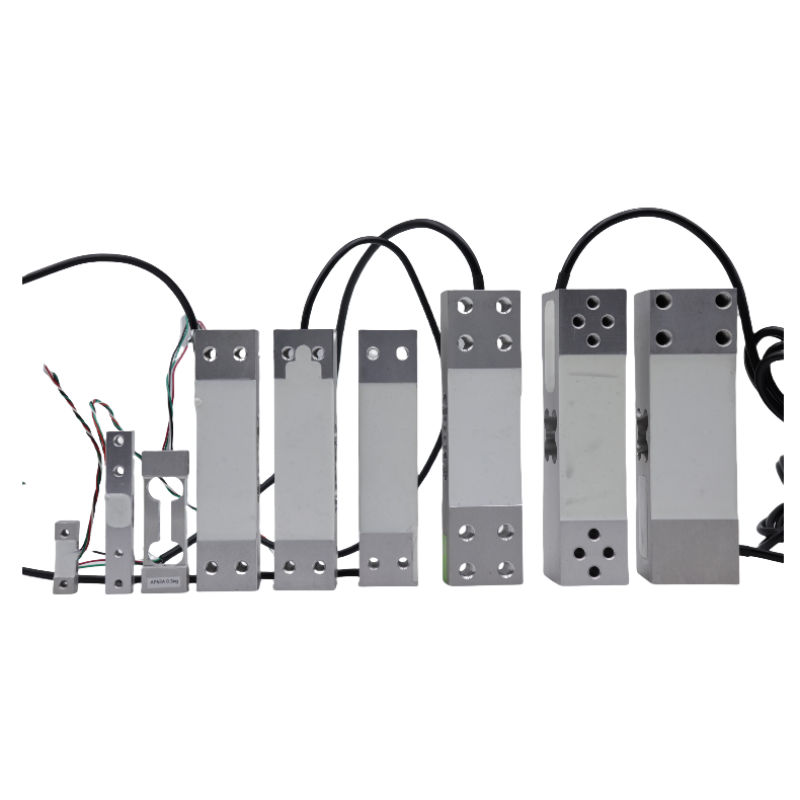
Products like the Amowellsensor AP61AD digital load cell RS485 and AP62H single point load cell series are designed specifically to meet these demands, offering ultra-compact, high-precision performance in both analog and digital format.
🧪 Real-World Application: Load Cells in Urban RVM Networks
A smart city initiative recently rolled out a network of compact RVMs across multiple retail locations. Each unit was equipped with:
- A 5kg load cell beneath the deposit tray to weigh each item
- A 30kg bin-level load cell to track accumulated weight
- A RS485 communication interface for live data transmission to a cloud system
Key Results:
- 85% reduction in rejected or fraudulent deposits
- Faster collection routing based on real-time bin fill status
- Improved transparency in sustainability reporting
- Higher user trust due to accurate and consistent refund logic
📊 Why Load Cells Are Superior to Conventional Verification Systems
| Comparison Point | Traditional Approach | Load Cell-Enabled RVM |
|---|---|---|
| Validation Method | Optical/volume-based only | Weight + shape = multi-layer validation |
| Fraud Protection | Low | High, real-time with weight filtering |
| Bin Monitoring | Manual or time-triggered | Real-time, automated weight thresholds |
| System Integration | Basic analog systems | Smart digital connectivity (RS485, Modbus) |
| Service Reliability | Medium | High — less downtime and fewer errors |

✅ Conclusion: The Future of Recycling Depends on Precision
As Reverse Vending Machines continue to grow in popularity across retail and public spaces, the role of high-precision and high high stability load cells becomes ever more vital. By enabling smart, automated validation of recyclables and real-time system feedback, load cells support reliable operation, reduced maintenance, and greater environmental impact.
Amowellsensor offers compact, high-accuracy load cells ideal for integration into modern RVM designs — helping drive the future of smart recycling technology.
Contact us if you want to know more details and customized ( info@amowellsensor.com )