
In recent years, the smart home appliance industry has witnessed significant growth, thanks to advancements in technology. One crucial component that has played a pivotal role in this industry is the load cell sensor. This article explores the various applications of load cell sensors in smart home appliances and their impact on improving our daily lives.
Smart Kitchen Appliances: Load cell sensors have revolutionized the way we cook and prepare meals in our kitchens. Smart kitchen appliances, such as smart scales and smart refrigerators, utilize load cell sensors to provide accurate measurements and enhance cooking experiences. These sensors enable precise ingredient measurements, helping users follow recipes with precision. Additionally, weight sensors in smart refrigerators can monitor food inventory, alerting users when supplies are running low or when items are about to expire.

Intelligent Laundry Systems: Load cell sensors are also integral to intelligent laundry systems. Smart washing machines equipped with load cell sensors can determine the exact amount of laundry inside the drum, optimizing water and detergent usage accordingly. This not only promotes energy and water conservation but also ensures that clothes are washed effectively. The load cell sensors can also detect unbalanced loads, preventing damage to the machine and providing a safer laundry experience.

Personal Health and Fitness: Load cell sensors have found applications in personal health and fitness devices, such as smart scales and fitness trackers. These sensors accurately measure body weight and provide valuable data for users to track their health and fitness goals. By integrating load cell sensors with mobile applications, users can monitor their progress, set targets, and receive personalized recommendations for a healthier lifestyle.
Click here if you want to know more detail about Personal Health and Fitness.

Smart Waste Management: Load cell sensors have been instrumental in transforming traditional waste management systems into smart solutions. Smart garbage cans equipped with load cell sensors can measure the weight of the trash and send notifications to users or waste management companies when the bin needs to be emptied. This technology optimizes waste collection routes, reduces unnecessary trips, and promotes efficient waste management practices.

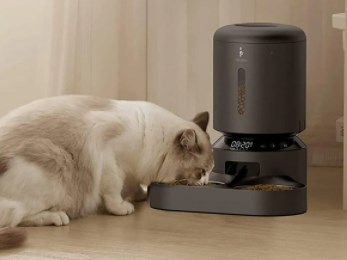
Smart Pet Feeders: Load cell sensors have found their way into smart pet feeders, ensuring accurate portion control for pets. By measuring the weight of the food, these feeders can dispense the right amount of food based on the pet’s size and dietary requirements. This feature is especially useful for pet owners who want to ensure their pets are fed properly, even when they are away from home.
Coffee Machines: Load cell sensors have also made their way into coffee machines, enhancing the brewing process and delivering a perfect cup of coffee. By integrating load cell sensors, coffee machines can precisely measure the amount of coffee grounds needed for each cup, ensuring optimal flavor extraction. This eliminates the need for manual measurements and guesswork, guaranteeing a consistent and personalized coffee experience every time.

Smart Refrigerators: Load cell sensors in smart refrigerators enable precise measurement of food items, allowing users to monitor and manage their inventory effectively. This feature also helps in reducing food waste by providing real-time notifications about expiry dates.

Baby Scales: Load cell sensors play a crucial role in ensuring accurate measurements of a baby’s weight. By incorporating load cell sensors into baby scales, parents and healthcare professionals can monitor a baby’s growth and development accurately. These sensors provide precise readings, enabling timely interventions if necessary, and promoting the overall well-being of infants.
Click here if you want to know more detail about baby scale

Water Dispensers: Load cell sensors are instrumental in modern water dispensers, enabling precise measurement and control of water quantities. By accurately measuring the weight of water, these sensors ensure that users receive the desired amount, promoting water conservation and reducing wastage. Additionally, weight sensors can detect anomalies, such as leaks, and trigger appropriate actions to prevent water loss.

Food Delivery Robots: Load cell sensors are essential components in food delivery robots, ensuring accurate portion control and preventing overloading. By incorporating load cell sensors, these robots can precisely measure the weight of food items, ensuring that customers receive the correct portions. This not only enhances customer satisfaction but also optimizes operational efficiency and reduces food waste.

Filling Machines: Load cell sensors are widely used in filling machines across various industries, including the beverage and pharmaceutical sectors. These sensors accurately measure the weight of liquid or solid substances during the filling process, ensuring precise and consistent filling volumes. By maintaining accurate measurements, load cell sensors contribute to product quality control, reducing the risk of under or overfilling.
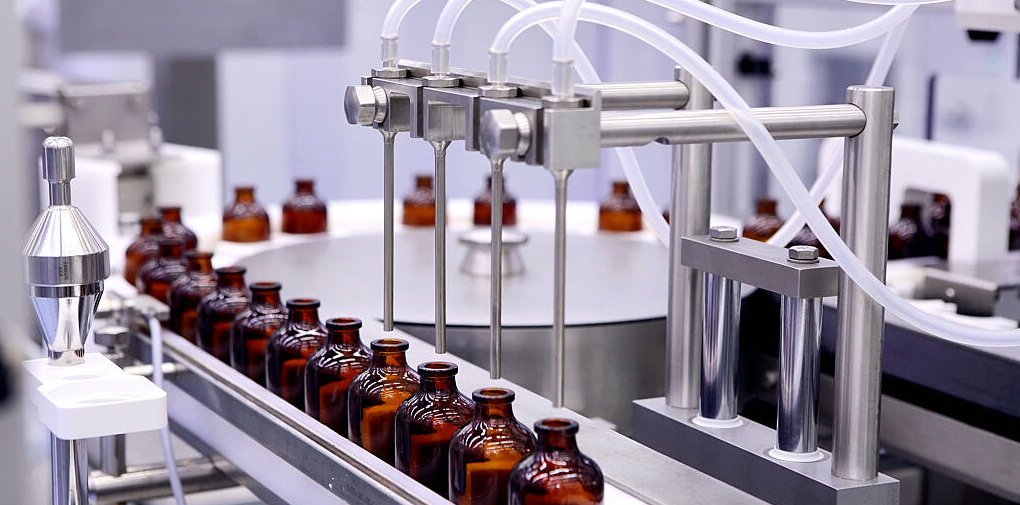
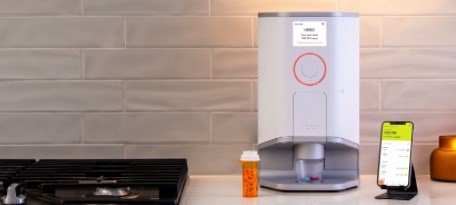
Medication Dispensers: Load cell sensors have revolutionized medication dispensers, ensuring accurate and safe distribution of medications. By incorporating load cell sensors, these dispensers can precisely measure the weight of medications, ensuring the correct dosage is dispensed. This enhances patient safety, reduces the risk of medication errors, and promotes efficient healthcare delivery.
The integration of load cell sensors in smart home appliances has revolutionized the way we interact with our everyday devices. From smart kitchen appliances to intelligent laundry systems, these sensors have enhanced convenience, efficiency, and sustainability in our homes. As the smart home appliance industry continues to evolve, load cell sensors will play a crucial role in shaping the future of our daily lives.
Contact us if your smart equipment need help, Amowell always here! info@amowellsensor.com